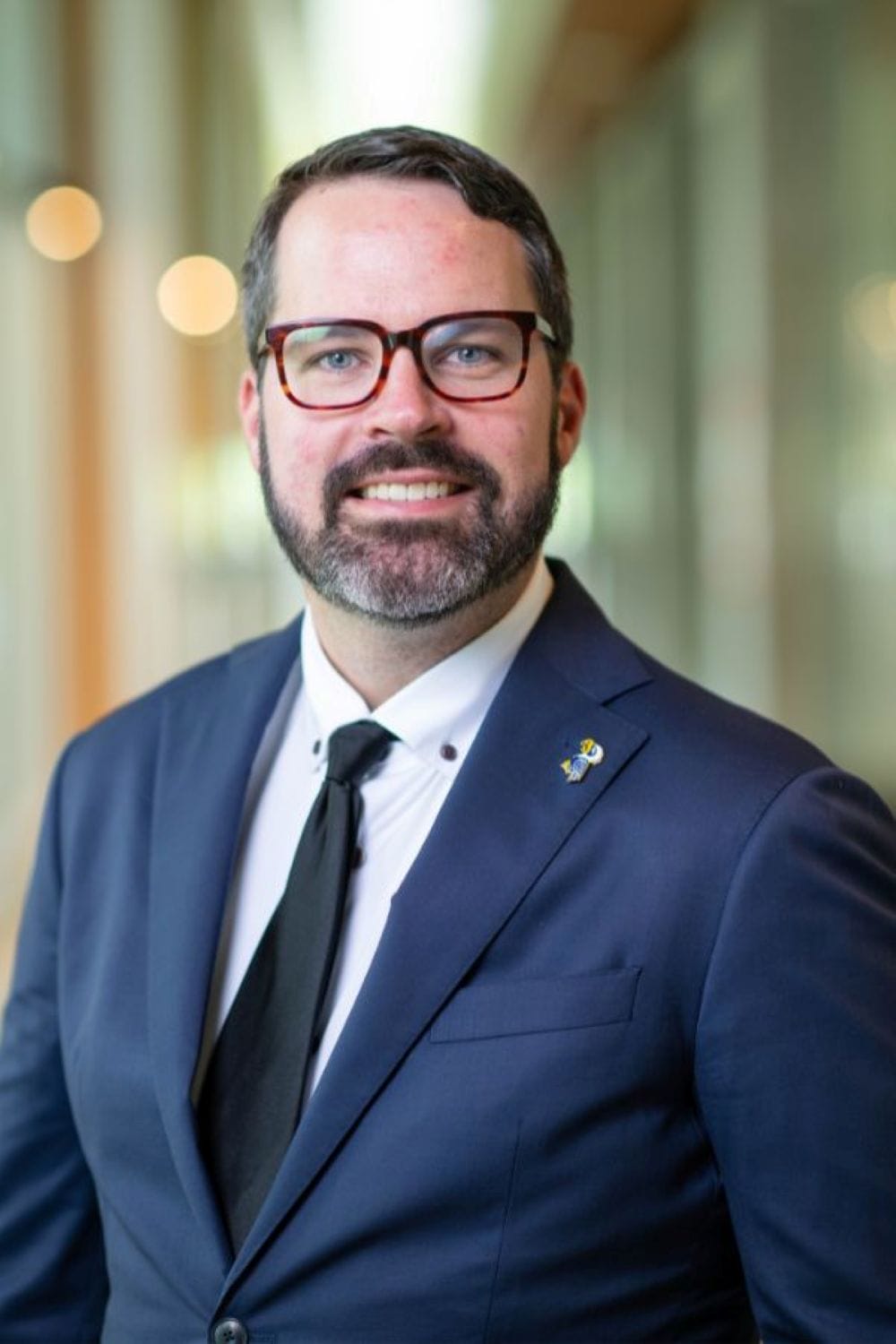
Scott Ramsay
PhD
Investigator and Nurse Clinician, BC Children's Hospital
Journal of Head Trauma Rehabilitation
Scott Ramsay and Jessica A. Harasym and Brian Liu and Hunter Lloyd
DOI: 10.1097/HTR.000000000000112310 / 2025
Paediatrics and Child Health Canada
Ramsay, S.
DOI: 10.1093/pch/pxaf043Sensors
Neill, M.G. and Fletcher, E.K.S. and Larson, E. and Fraser, K. and Ramsay, S. and Smirl, J.D. and Emery, C.A.
DOI: 10.3390/s25175388Injury
Ramsay, S.
DOI: 10.1016/j.injury.2025.112544Brain Injury
Ramsay, S. and Dahinten, V.S. and Ranger, M. and Babul, S. and Saewyc, E.
DOI: 10.1080/02699052.2024.2395382Journal of Psychiatric and Mental Health Nursing
Ramsay, S.
DOI: 10.1111/jpm.70017Journal of Head Trauma Rehabilitation
Ramsay, S. and Dahinten, V.S. and Ranger, M. and Babul, S. and Saewyc, E.
DOI: 10.1097/HTR.0000000000001001NeuroRehabilitation
Ramsay, S. and Dahinten, V.S. and Ranger, M. and Babul, S.
DOI: 10.3233/NRE-220216British Journal of Neuroscience Nursing
Scott Ramsay
DOI: 10.12968/bjnn.2021.17.6.22612 / 2021
Nursing Philosophy
Scott Ramsay
DOI: 10.1111/nup.1236810 / 2021
SAGE Open Nursing
Scott Ramsay and Susan Dahinten
DOI: 10.1177/237796082093849801 / 2020
Journal of Nursing Measurement
Ramsay, S.
DOI: 10.1891/1061-3749.27.3.361Given the high incidence and burden of concussion, timely follow-up and management is crucial. After a concussion diagnosis, follow-up visits with a health care provider are important for reassessment, continued management and further education. The factors that influence the timeliness of the first follow-up visit post diagnosis are not well understood, nor is the relationship between timing of the follow-up visit and the length and severity of symptoms experienced.
Therefore, in this project I addressed three research objectives: (1) to explore the rates and timing of a first follow-up visit for children and youth with a concussive injury, (2) to identify factors associated with follow-up timing and (3) to investigate the effect of timing of the first follow-up visit on children's health after a concussion.
This descriptive, correlational study drew on linked, population-based administrative data from the province of British Columbia, Canada. The main measure in the study was timing of the first follow-up visit, which was measured as timely (within 28 days post-concussion diagnosis), delayed (29 days to 3 months) and no follow-up. Other study measures included age, sex, geographic residence, socioeconomic status, and type of health care provider at the index visit. Binary and multinomial logistic regression were the main analytic strategies used.
Neurological conditions are a major concern for children and youth. These conditions disrupt normal functions regulated by the nervous system due to injury, genetics and exposures. Pediatric neurological conditions impact well-being, affect mental health and impair development. Despite the reported prevalence of neurological conditions in Canada, disparities exist among children. Currently, there are no estimates of pediatric neurological conditions in BC and there is a lack of understanding of how this population accesses health care. To understand these gaps we will first explore the rates of neurological conditions in the BC pediatric population. Second, identify the barriers to accessing neurological care by (1) neurological condition, (2) access to a primary care provider, (3) timing of care, and (4) the social determinants of health. These objectives will inform the final theme, which seeks to investigate the implementation of nurse-led initiatives (i.e., assessment, education, intervention) for children waiting to access neurological care. This work will be equity-oriented, with a focus on underserved groups and include key stakeholders across BC, seeking to inform practice and create system level interventions.
Health Professional Investigator Award, Enhancing equity for children with neurological conditions in British Columbia, Michael Smith Health Research BC, 2024–2029 ($450,000)
Insight Development Grant; Unseen, unpaid, unending an institutional ethnography of family labour in pediatric acquired brain injury; Social Sciences and Humanities Research Council; 2026 ($78,000)
IMPaCT Training Award, Telehealth examination for pediatric concussion follow-up: A pilot randomized controlled trial, Michael Smith Health Research BC, 2026 ($70,000)
Evidence to Innovation Seed Grant, BC Children’s Hospital Research Institute, 2026, ($10,000) — 1 of 2
Evidence to Innovation Seed Grant, BC Children’s Hospital Research Institute, 2026, ($10,000) — 2 of 2
Healthy Youth Team Grant; Youth Concussion Awareness Network (You-CAN) Surveillance in High School and Community Sport to Reduce Concussions and their Consequences (SHRed Concussions): Canadian youth informing best practice and policy in the prevention of sport-related concussion; Canadian Institutes of Health Research; 2025 ($1,500,000)
Indigenous Strategic Initiative Fund, Statistics and Data Science for Indigenous Youth, University of British Columbia, 2025 ($25,000)
Providence Health Care Lived Experience Advisory Council — Mental Health Program, Describing anoxic brain injury among people with mental health and substance use disorders: A retrospective chart review, St. Paul's Foundation, 2025 ($17,700)
Convening and Collaborating Grant; Modernizing brain injury services in British Columbia: Developing research priorities for children, youth, and young adults; Michael Smith Health Research BC; 2024 ($20,000)
UBC Outstanding Dissertation Award for PhD Student, School of Nursing (2023)
UBC Aboriginal Graduate Fellowship (2018-2022)
CIHR CGS-M (2018-2019)
Every day, our researchers work towards breakthroughs to transform the lives of kids in BC and around the world. Learn about our latest innovations and advancements in child health.
Indigenous children are the fastest-growing population in Canada but still experience disproportionately negative health outcomes. A 2020 report found that, compared to the non-Indigenous population, First Nations children were twice as likely to be born very preterm (at less than 32 weeks gestation), putting them at risk of lifelong health problems. During the same reporting period, First…

UPDATE: As of January 30, 2025, the Mini Med School event for Grade 10–12 students is full. However, due to demand, a new event open to the public, Mini Science Night, will be available Thursday, March 27, 2025, 6:00–7:30 pm at the MacBride Museum. See more information here.
At BC Children’s, we are making discoveries that save lives and transform health care for children in our province and around the world. Our research portfolio includes basic, clinical, population, and public health research.
EXPLORE OUR RESEARCH