
Brain, Behaviour & Development

We’re Working to Improve Care for Kids With Complex Health Needs
The Brain, Behaviour & Development (BB&D) Theme brings together neuroscience, mental health, and child development researchers through basic, clinical, population, and public health research. We work to improve care for children with complex medical, physical, developmental, and mental health needs. Our researchers are involved in provincial, national, and international networks.
Specialized research groups provide the opportunity for BCCHR scientists and clinicians with similar research interests to connect and collaborate, regardless of their theme affiliations. While each group is supported by at least one theme, researchers can be part of any group from any theme. The BB&D Theme has four specialized research groups: Mental Health and Behaviour, Neurodevelopmental and Neurological Disorders, Pain and Stress, and Visualizing the Brain.
Mental Health and Behaviour
Co-leads: Julie Robillard and Sharon Hou
The Mental Health and Behaviour Group brings together clinicians, researchers, and trainees who seek to understand and support child, youth, and family mental health and wellbeing. Our members include psychologists, psychiatrists, medical geneticists, epidemiologists, social scientists, health scientists, allied health care providers, and patient and family experts, among others. Together, we study the biological, behavioural, and socio-cultural relationships that set pathways for mental health and wellbeing across the lifespan. Our research informs interventions for optimal mental health and development for all children and youth. Areas of focus include health equity and culturally responsive care, social technologies to support brain health, parenting/caregiver support and interventions, supporting the mental health and behaviour of those who live with complex health conditions, and improving care for children and youth with eating disorders, obsessive compulsive disorder, depression, anxiety, and other mental health challenges.


Neurodevelopmental and Neurological Disorders
Lead: Jill Zwicker
The Neurodevelopmental and Neurological Disorders Group brings together pre-clinical and clinical investigators seeking to develop, implement, and evaluate therapies for children with neurodevelopmental disabilities and neurological disorders. Our membership includes foundational scientists, developmental pediatricians, neurologists, neurosurgeons, psychologists, occupational therapists, and physical therapists. Our areas of focus include neurodevelopmental conditions (e.g., autism, developmental coordination disorder), clinical neurosciences (e.g., epilepsy, brain injury), and infants, children, and youth with other brain-based disabilities.
Pain and Stress
Co-leads: Julia Charlton and Katelynn Boerner
The Pain and Stress Group brings together an interdisciplinary group of clinicians, basic scientists, and allied health professionals who seek to understand how experiences and management of acute and chronic pain, stress, and trauma can shape mental health and development. Our research spans neonates, children, adolescents and young adults. Our areas of focus include chronic pain, analgesia and acute pain management, palliative and comfort care, somatization, pharmacology and translational science, mind-body integration, and growing out of pain.


Visualizing the Brain
Lead: Alexander Weber
The Visualizing the Brain Group brings together a community of researchers and clinicians who “visualize brain function” in its broadest sense. Our membership includes basic scientists with expertise in Magnetic Resonance Imaging (MRI) and data processing, psychiatrists, pediatricians, neurologists, and radiologists. Our research focuses on understanding and improving non-invasive imaging of the developing brain, developing novel imaging applications for intervention and assessment of various conditions affecting the brain throughout the life course, and identifying the brain-based biological underpinnings of symptom severity and symptom change.
Brain, Behaviour & Development Core Personnel
We support our members in their research activities and foster an environment of knowledge-sharing and collaboration.
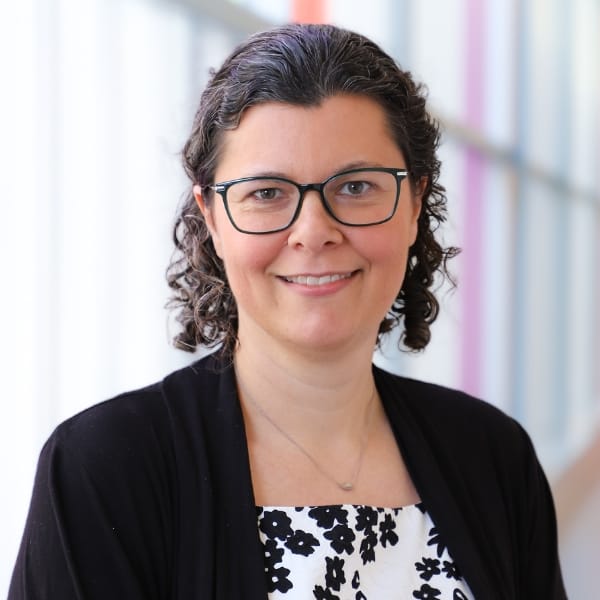
Jennifer Coelho
Theme Director
Dr. Coelho is an Investigator and Psychologist in the Provincial Specialized Eating Disorders Program for Children & Adolescents at BC Children’s Hospital and a Clinical Associate Professor in the Department of Psychiatry at UBC. As Theme Director, she is working to bring together knowledge users and mobilize research into clinical practice.

Marissa Gibbard
Theme Research Manager
Marissa Gibbard has over seven years of experience in research administration at BC Children’s Hospital Research Institute. As Theme Research Manager, she supports researchers through all aspects of the research process including finance, grant, and regulatory administration, knowledge translation, and outreach. She also manages Theme funding competitions, events, and research initiatives.

Emily Fox
Theme Research Coordinator
Emily Fox has over 5 years of experience supporting research administration at BC Children’s Hospital Research Institute. As Theme Research Coordinator, she supports researchers in the planning, management, and communication of research activities. She also coordinates Theme events and initiatives.
Lab, Project, and Program Websites
Find out more about some of the labs, projects, and programs at BC Children’s Hospital Research Institute.














Recent News
Every day, our researchers work towards breakthroughs to transform the lives of kids in British Columbia and around the world. Learn about our latest innovations and advancements in child health.
-

BCCHR research aims to uncover genetic causes of brain aneurysms
Read moreA brain aneurysm is a balloon-like bulge formed at a weakened point of an artery within the brain. While it often begins small and doesn’t trigger symptoms, it can enlarge, rupture, and cause internal bleeding, which is life-threatening. Considered a non-traumatic brain injury, aneurysms are particularly complex in children, as their brains are still developing.…
-

Billions of doses later, global review confirms mRNA vaccines are safe
Read moreA sweeping global review research has found that mRNA vaccines are safe and highly effective at preventing infectious diseases, such as COVID-19. These vaccines also have potential applications for a range of other diseases, including influenza, respiratory syncytial virus (RSV), cancer, and autoimmune disorders.
-

Emerging treatment options offer hope to children affected by migraine
Read moreHeadache disorders, such as migraine, can drastically disrupt daily life. Still, they are underestimated, underrecognized, and undertreated. Migraine is among the top three causes of disability in individuals aged 10 to 24, with 10 per cent of children experiencing it before reaching puberty. Migraine is associated with school absenteeism, disengagement from extracurricular activities, and decreased…
Donate to Research
With your support, we believe there’s nothing we can’t do. Funding helps bring hope out of the laboratory and into the clinic — to save and improve children’s lives.
donate now