DNA variants and building of the Indigenous Background Variant Library (IBVL)
- What are DNA variants?
-
DNA (deoxyribonucleic acid) is the genetic material in all of our cells, which we inherited from our parents. DNA provides the instructions for how our bodies work and is made of a long string of four different genetic 'letters' (A, C, G, and T) that our cells can read. The four letters are repeated over and over in different combinations or sequences, with the entire length of DNA in each of our cells containing 3 billion DNA letters.
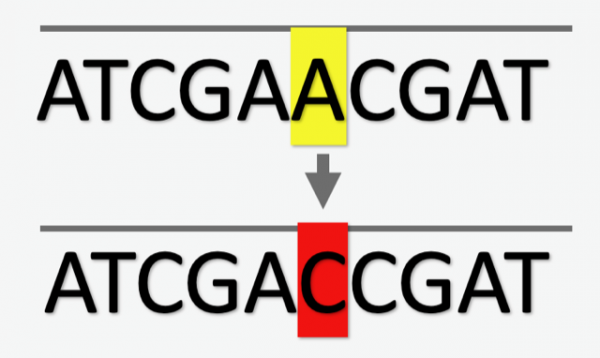
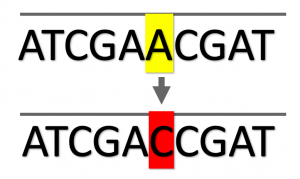
Figure 1: A DNA sequence from two individuals. Most of the sequence is the same for both individuals; however, a difference is visible (highlighted at one position). This difference is called a variant. Specifically, this variant is an A to C modification. All of humanity shares 99.9% of the same DNA letters. Even though we share most of the same DNA sequence, the 0.1% difference means that there are still many spots in our DNA where the letters differ between people — these letter differences are called 'variants'. In fact, each individual carries millions of variants, and this is part of what makes each of us unique. Most of these variants are harmless (non-disease-causing variants), but some may predispose to a health problem (disease-causing variants).
DNA variants can range from frequent to rare within any population (for example, as shown in Figure 2, 60% of people might have an A and 40% of people might have a C at a given DNA position).
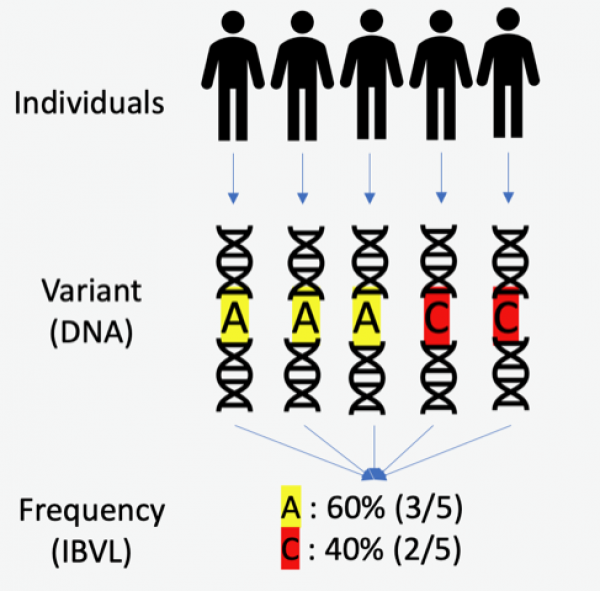
Figure 2: Representation of common variant distribution within a population of five individuals. The A variant is present in 60% of the population and the C variant is present in 40%. Both variants are considered common in this population. - What is a Background Variant Library (BVL)?
-
A Background Variant Library (BVL) is a list or collection of all the DNA variants in a group of people without severe genetic conditions, which helps to determine variants that are common or rare in the general population. If a variant is common in a group of 'healthy' people without severe genetic conditions, it is less likely to be responsible for a rare disease.
A number of BVLs already exist. These libraries are not physical collections of books or lists; but instead the DNA variant information is stored in computer databases. One example of such a library that is publicly available is gnomAD.
Genetic specialists and doctors use these BVLs as references to learn which DNA variants are common in people from various populations around the world. Remember that each person carries millions of DNA variants. When a patient with a suspected rare genetic disease has genetic testing to try to find the DNA variant causing their condition, it is a big job to sort through all the DNA variants found on their genetic test to find the 'suspect' disease variant that is causing their condition.
Acting like detectives, doctors can compare their patient's list of variants to those seen in a BVL and quickly rule out any of the common DNA variants found in people without rare diseases from their patient's specific population group. This then allows the doctors to focus on any rare variants on their patient's test report that are not seen (or seen only very rarely) in the library and are more likely to be disease-causing.
In summary, BVLs allow quick elimination of common variants seen in the general population in order to narrow in on the real 'suspects' for quicker diagnosis of genetic conditions.
- What is an Indigenous Background Variant Library (IBVL)?
-
The Indigenous Background Variant Library (IBVL) is a database showing the frequency of each DNA variant found in a population of Indigenous peoples who do not have severe pediatric genetic conditions.
Each population worldwide has genetic variants that are unique to them and are not present in the DNA of other populations or are found more or less frequently. The lack of an IBVL means that genetic specialists and doctors do not know which DNA variants are common and therefore less likely to be causing severe genetic disease in Indigenous peoples. This makes diagnosing genetic conditions in Indigenous patients much more difficult and less efficient than many other patients because doctors cannot quickly rule out the common variants seen in the general population as they seek to find the real 'suspect' variants that cause a patient’s rare disease. This unfortunately can result in delayed diagnosis, potentially less effective health management and treatment for patients, and ongoing stress for families due to unanswered questions.
The IBVL is a clinical tool created to improve the diagnosis of genetic diseases. It is NOT a biobank containing human samples. Nor will it be used to determine the level of Indigenous ancestry, geographical origins, or to challenge cultural beliefs. It will NOT be used for commercialization, patenting interests, or to provide ‘direct to consumer’ genetic test results to SGP participants.
The purpose is to provide access to the benefits of genomic medicine for Indigenous people.
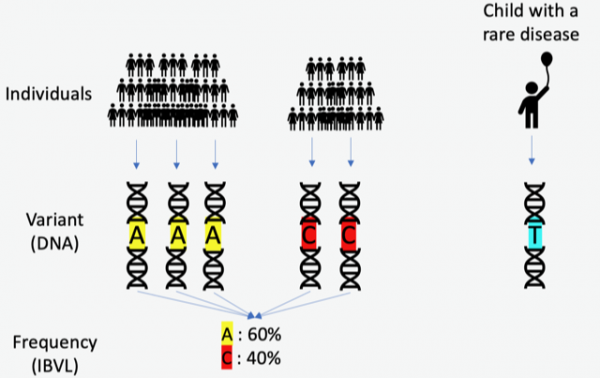
Figure 3: Example of how an Indigenous Background Variant Library could be used to diagnose a rare genetic disease. If the child with the T variant is Indigenous, without an IBVL, healthcare providers would not know if the T variant is common in Indigenous Peoples, and therefore could not be able to determine if it was likely to be disease-causing or not. However, with an IBVL to compare to, healthcare providers would see that the T variant is absent from the IBVL and therefore is a potential cause of the rare disorder. - When was the IBVL created?
-
Development of the IBVL occurred over a period of 4 years (2020-2025) and the launch of the IBVL for genetic diagnosis and health research was in January 2025.
- How is the IBVL information stored?
-
A key principle of the IBVL is that no individual data (a list of all the DNA variants detected in a single person) will be available. Only population frequencies of the variants (how often each variant was seen in the overall population) will be included. That is, variant information from each participant is merged as one set of data to ensure that no one person’s data could be recognized or accessed in any way. Access to the data is for the purpose of clinical diagnosis only. Downloading the full data set from the IBVL database is not allowed.
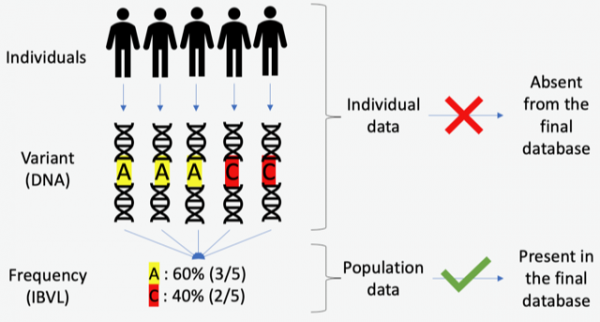
Figure 4: Individual data is not present in the IBVL; only population data is present. The IBVL database is housed on an institutional server at the BC Children's Hospital Research Institute (BCCHR) in Vancouver, BC, which is protected by strict security measures, is regularly audited, password-protected, and can only be accessed by authorized personnel.
- How is Indigenous data within the IBVL protected?
-
The IBVL is stored on secure servers at the BC Children’s Hospital Research Institute in Vancouver, British Columbia. It is protected by multiple layers of technical and governance safeguards, only accessible by authorized personnel, and subject to regular security audits. Access is highly restricted, thoroughly controlled, and limited to approved health care professionals involved in genomic diagnosis, using the data for the purposes of clinical diagnosis. Downloading the full data set from the IBVL database is not possible.
Another key principle of the IBVL is that no individual data is
available, and only population frequencies of variants will be included. This means that no one person’s data can be recognized or accessed in any way. - Will Indigenous data within the IBVL be accessible for research
-
Yes, Indigenous data within the IBVL may be accessible for health-related research that is approved by the SG-IBVL Governance Committee. There is no open access for researchers to use the IBVL. Health research has the goal of improving diagnosis and treatment of disease and improving the health and quality of life of individuals. Researchers who wish to utilize variant frequency data present in the IBVL should submit a ‘Clinical Research Review Request’ form, which is then considered by the SG-IBVL Governance Committee.
- What are the factors that determine research approval?
-
The Committee comes together to determine its clinical goal, how exactly the research can benefit Indigenous people, how results will be shared with the community, whether there are cultural or other risks, and how these are addressed. Only if the Committee decides that the research is an acceptable use of the IBVL, then the researcher will be granted access to the data to use for the purposes of their specified project.
Partnerships
- 1.Canadian Alliance for Healthy Hearts and Minds (CAHHM) – First Nations Cohort
-
CAHHM is a prospective cohort study designed to investigate the impact of community level factors, individual health behaviours, and access to health services, on cognitive function, subclinical vascular disease, fat distribution, and the development of chronic diseases among adults living in Canada. The First Nations cohort involves a strong partnership between academic institutions and First Nations communities, with a governance model where each community owns their data, controls its dissemination, and decides when and what research is in the best interests of their specific community. Four First Nations communities that are a part of CAHHM decided to take part in the IBVL. After significant engagement and discussions, 596 samples were transferred from CAHHM to the Silent Genomes Project to build the first version of the IBVL.
- 2.Pan-Canadian Genome Library (PCGL)
-
PCGL is a framework for unifying Canada’s human genome sequencing efforts in a federated data management system. PCGL has been working in partnership with the Silent Genomes Project and the IBVL, to ensure that Indigenous patients will also benefit from national advances in genomic medicine while their genomic data remains protected under Indigenous-led governance and used only in ways that align with consent, cultural priorities, and data sovereignty principles.
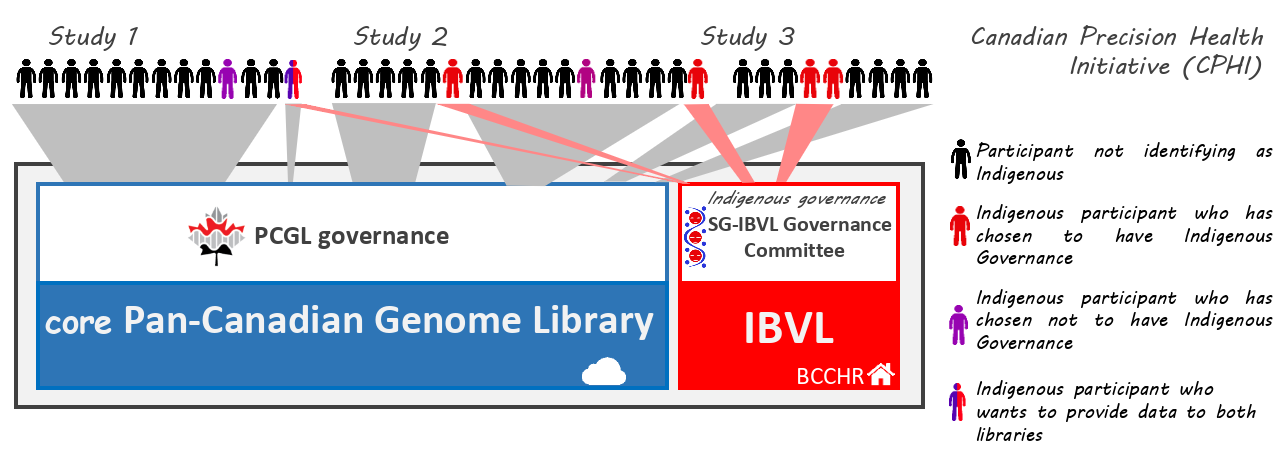
Indigenous participants who choose to take part in genomic research may opt to place their data in the IBVL. Their data would then be under the governance, storage, and access limits of the IBVL, in line with OCAP and UNDRIP principles. - - Where would Indigenous data sit in PCGL system?
-
Indigenous participants who choose to take part in genomic research may opt to place their data in the IBVL. The IBVL has partnered with the PCGL to ensure that Indigenous people have the same opportunities for research as other Canadians, while their data is being protected. The Silent Genomes project has already shown that Indigenous participation in genomic research can be done respectfully, safely, and in line with OCAP and UNDRIP. Silent Genomes' IBVL is governed by an Indigenous-led governance committee. The governance of the IBVL is separate from the PCGL. This approach is called a federated model. A helpful way to think about it is a library: many books are in the library, but each book stays separate. Data from Indigenous people who have asked for governance remain distinct and are not mixed with other datasets.
- - How will my consent form look if I want to store my data under IBVL governance?
-

Who is doing this study?
The IBVL construction is led by Dr. Wyeth W. Wasserman, a specialist in the use of computers in medicine. Drs. Wyeth Wasserman, Laura Arbour, and Nadine Caron, are leading the overall Silent Genomes Project. There are other experts in this field (Dr. Ripan Mahli, and Dr. Simon Gravel) along with a number of trainees who are involved.
Please see our Activity 3 Team.
IBVL Educational Materials:
IBVL FAQ booklet
What is an Indigenous Background Variant Library (IBVL) and how could it help address health inequities across Canada and beyond?
Video | 11:56
- Comment activer les sous-titres en français ?
-